What a Last-Minute Visit Taught Me About Building Trust

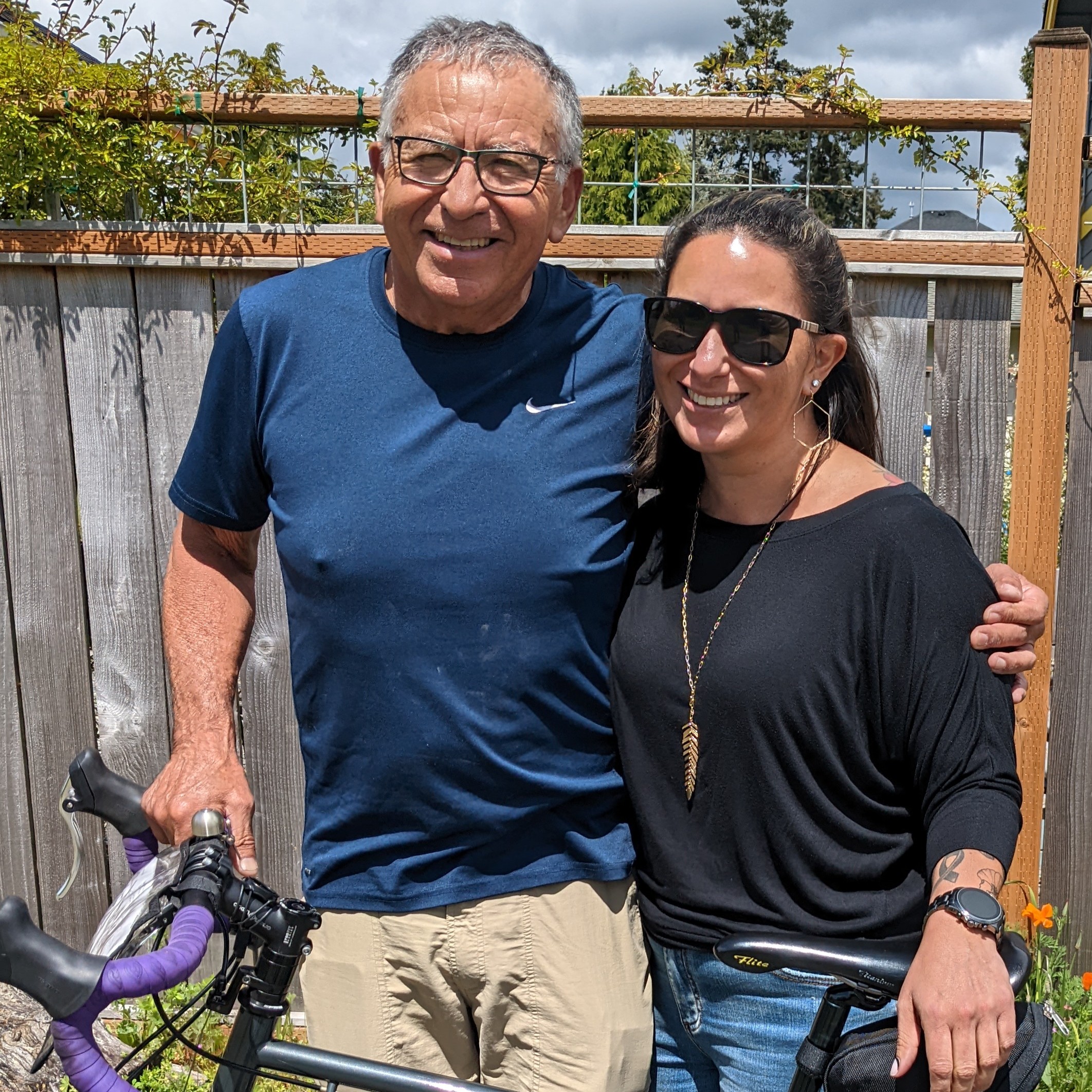
My dad called me Saturday to say he had “a surprise.” He had flight credit expiring Monday, and he’d be flying up the next day, Sunday.
I said yes without hesitation, and spent the rest of the weekend quietly rearranging my week: a few meetings moved, a few things got delegated. I picked up my dad Sunday evening and had an email scheduled to send on Monday morning.
“My dad surprised me with a last-minute visit, so I’m taking a couple of days to be with him.”
Nobody blinked. My husband didn’t blink when I told him my dad would be arriving in less than 24 hours. My colleagues didn’t blink when I stepped away with almost no notice.
I know my work is flexible in ways many people’s aren’t, and I don’t want to minimize that privilege. But flexibility on paper is fundamentally different than a culture that actually makes room for you to enjoy it. Plenty of people have generous PTO policies and still feel like they need to justify, hedge, or apologize before they take the time. What made this different wasn’t the policy. It was the trust underneath it: the trust that allowed me send one honest sentence and know it would be enough.
My mom passed several years ago, and I lost my cousin far too young; both of those losses serve as a quiet, steady reminder that none of us are guaranteed the next visit, the next call, the next ordinary Tuesday together. When an opportunity like this shows up, unplanned and inconvenient, worth it, I’ve learned that leaning in matters more than protecting my schedule.
But leaning in only works if the people around you make it possible.
As a leader, I think about what it actually takes to cultivate that kind of space within a team:
- A safe space that lets someone share who and what matters to them.
- A collaborative space where colleagues genuinely want to pitch in when someone steps away, not because they’re told to, but because they trust it will be reciprocated.
- A trusting space that runs both directions, so that when someone takes those days, the people around them know they’ll show up fully when they return.
None of that happens by accident, and none of it happens overnight. Safe, collaborative, and trusting spaces are built in the small moments: when a request is met with curiosity instead of quiet judgment, and when “family emergency” and “family joy” are afforded the same grace.
I didn’t get to spend a few impromptu days with my dad because an airline was about to expire his flight credit. I got to enjoy a few days with him because collectively, our entire staff has spent years quietly and intentionally building a culture that didn’t require me to choose between showing up for my team and showing up for him.
That’s the leadership I aspire to, and the culture I hope to leave behind. Not because it makes people more productive, though it probably does, but because it makes room for the parts of life that actually matter. The people who show up on short notice. The visits you can’t plan for. The time that, sooner or later, all of us wish we’d taken.
Comments
One response to “What a Last-Minute Visit Taught Me About Building Trust”
Cousin- beautiful! And on point. And Teams can only be as collaborative, trustworthy, and genuine as the Leadership allows them to be, underscoring the absolute necessity of a culture that spawns those values and exemplifies them. Otherwise, you’re a collaborative, trusting Team that’s punished for it, rather than celebrated.